
Why Menorca Is the Mediterranean's Most Interesting Island Right Now
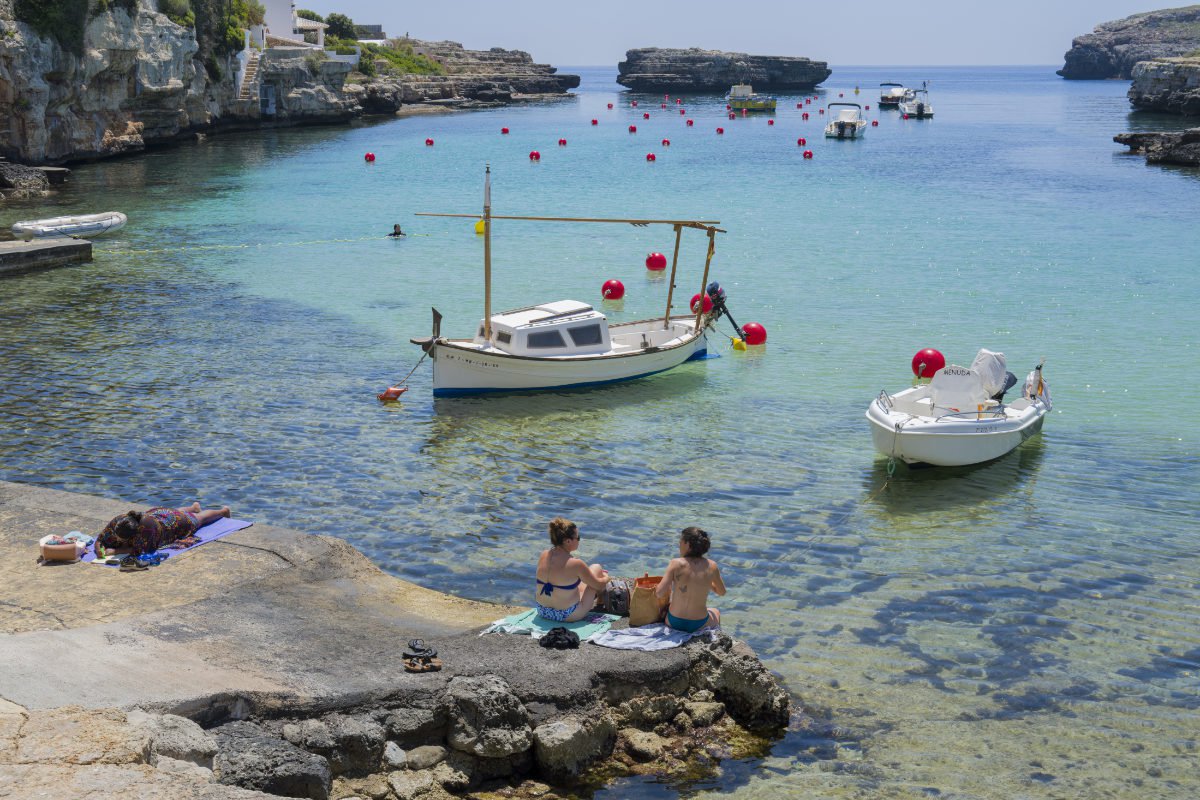 Cala Alcaufar. Photo by Jessica Cantlin.
This article appeared in a July edition of our newsletter, Way to Go. Subscribers get early access to our best content.
Protected by design rather than accident, Spain’s quiet Balearic island has long been cherished by those in the know. A longtime Menorca-goer, Fathom contributing editor Jessica Cantlin knows where to find the wild beaches, thoughtful hotels, inventive tapas, and postcard-ready hikes on the island that refuses to become Ibiza.
Summer is underway on Menorca. The island’s rolling hills smell of dried grass, wild fennel, and pine. Mornings are quiet, save for the sound of birds. Evenings are warm, the cricket symphony filling the air. Long days begin with slow mornings and lead to lazy sun-filled afternoons by the sea.
Menorca, known as Spain’s quiet Balearic Island, is the place where the speed of life comes to a screeching halt and nature reigns supreme.
With all the noise in the world right now, it is no wonder that sleepy Menorca is ready for its moment in the sun.
But First, A Bit of History
Menorca is small in comparison to its better-known neighbor, Mallorca. Bisected by a highway, the island’s main cities are Mahón, the modern capital in the southeast, and Ciutadella, the old capital in the southwest. The town of Alaior sits on a hill in the middle of the island. While the drive from one end of Menorca to another takes about 45 minutes, a car cannot circumnavigate the island because the Camí de Cavalls (“Way of the Horses”) encircles the island. This 185-kilometer horse trail dating back to the 14th century was the path knights rode between fortresses while protecting the island from invaders. By the 20th century, the trail was in ruins and fenced off in many places by individual landowners. In 2000, the government declared the trail a public heritage site and, after years of reclaiming and restoring the land, opened it to the public in 2010. The Camí de Cavalls now attracts equestrians, mountain bikers, and hikers who come to the island to explore its natural beauty.
Menorca is unique among Mediterranean islands because it holds dual UNESCO distinctions as both a Biosphere Reserve and a World Heritage Site. The Biosphere Reserve, recognized in 1993, protects the marine life surrounding the island, as well as wetlands, dunes, and caves that are home to many species of bird and plant life. As a result, it is a premier destination for scuba diving. The Talayotic Menorca cultural landscape received its UNESCO distinction in 2023 for the megalithic monuments, tombs, and watchtowers scattered all over the island. They may look like piles of rocks but are in fact excellent examples of primitive cultures from long ago. (“Talayotic” refers to the Balearic people of the Iron Age.)
What do horse trails and rock piles have in common? First, the Camí de Cavalls limits vehicular access to most of Menorca’s virgin beaches. Car parks are close to the main road, and beachgoers hike down to the water. Second, they serve to limit coastal development. (The government has also wisely halted issuance of new rental licenses.) What does this mean for Menorca? It means that while it gets busy in the height of summer (like every slice of Mediterranean coast), Menorca stays wild, peaceful, and undeveloped.
The Lay of the Land
While I love to be lazy and never leave the sea, Menorca’s interior has a lot going for it. Mahón, ten minutes from the airport, has one of the longest natural harbors in the world — which means this is where cruise ships dock. (Need I say more.) The best time to visit is in the morning as the shops are opening and the bars are still serving coffee. The cultural center of the island, Mahón recently received a major boost with the opening of Hauser & Wirth Illa del Rei. The gallery has several locations around the world, but the outpost on Menorca is unique for its setting on a tiny island a 15-minute boat ride from the Port of Mahón, in two large, beautiful galleries, with gardens and Cantina, a fantastic alfresco restaurant. Art, delicious food, and a quick swim before boarding a ferry is my recipe for a perfect afternoon. Don’t miss it.
At the other end of the island is Ciutadella. A walled city with a mixture of baroque, gothic, and neoclassical architecture, Ciutadella comes alive in its arches, shaded porticos, and narrow pedestrian streets. It’s one of those small cities where you never know what lies behind the unassuming giant doors that face the street, and exploration and slow discovery is the only way to find out. The impressive Basilica of Ciutadella and Convent of San Augustine are worth a peek — and provide a welcome respite from the heat. Ciutadella is lovely in the morning, but when the sun begins to fade, the antique buildings wear a golden hue that becomes richer with every passing minute.
Where to Stay
Choosing where to stay very much informs how to experience Menorca. If staying in Mahón, Cristine Bedford Guesthouses Mahón is excellent in every way. A stone’s throw from the harbor and the city’s pedestrian streets, this is a haven for Mediterranean design and hospitality. Every room is different but with a similar aesthetic that incorporates vintage furniture, fabrics, and fixtures. Many rooms have views or balconies overlooking the private inner courtyard and pool. With only a few days on island, Cristine Bedford is an excellent base. Bonus: They have a car park across the street for a very reasonable daily rate.
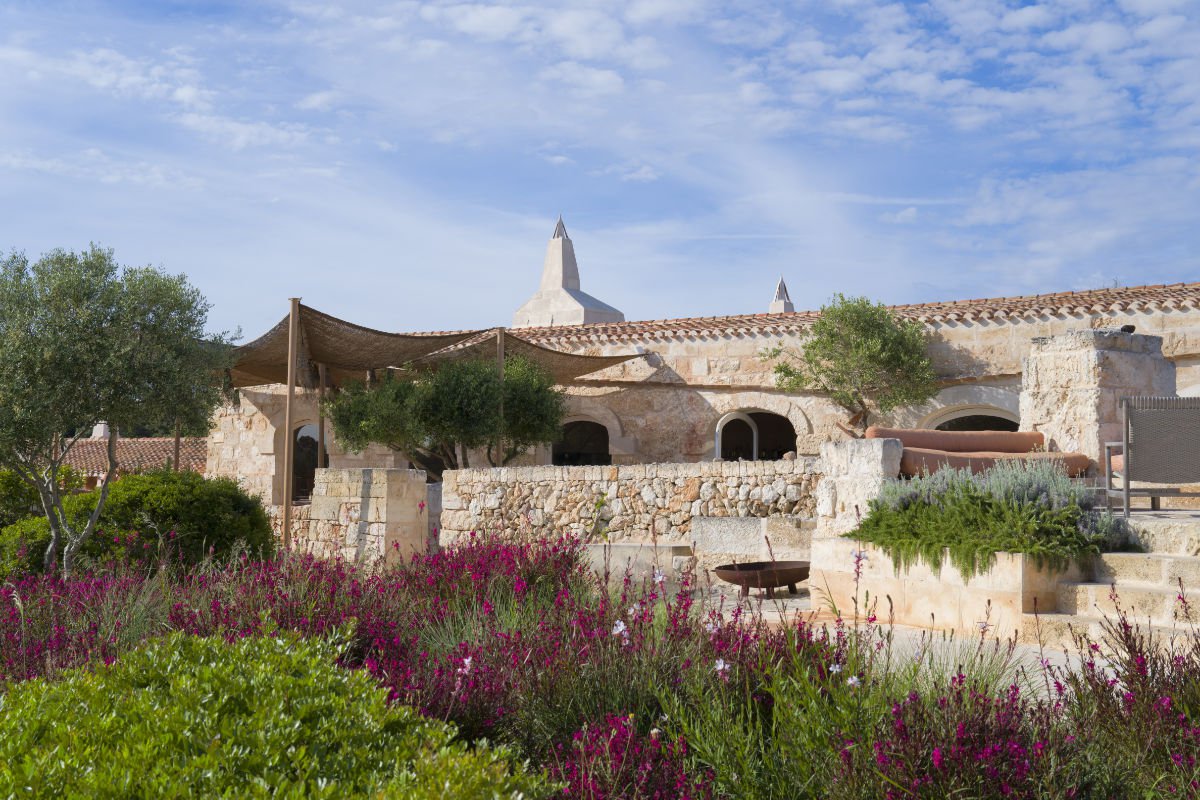
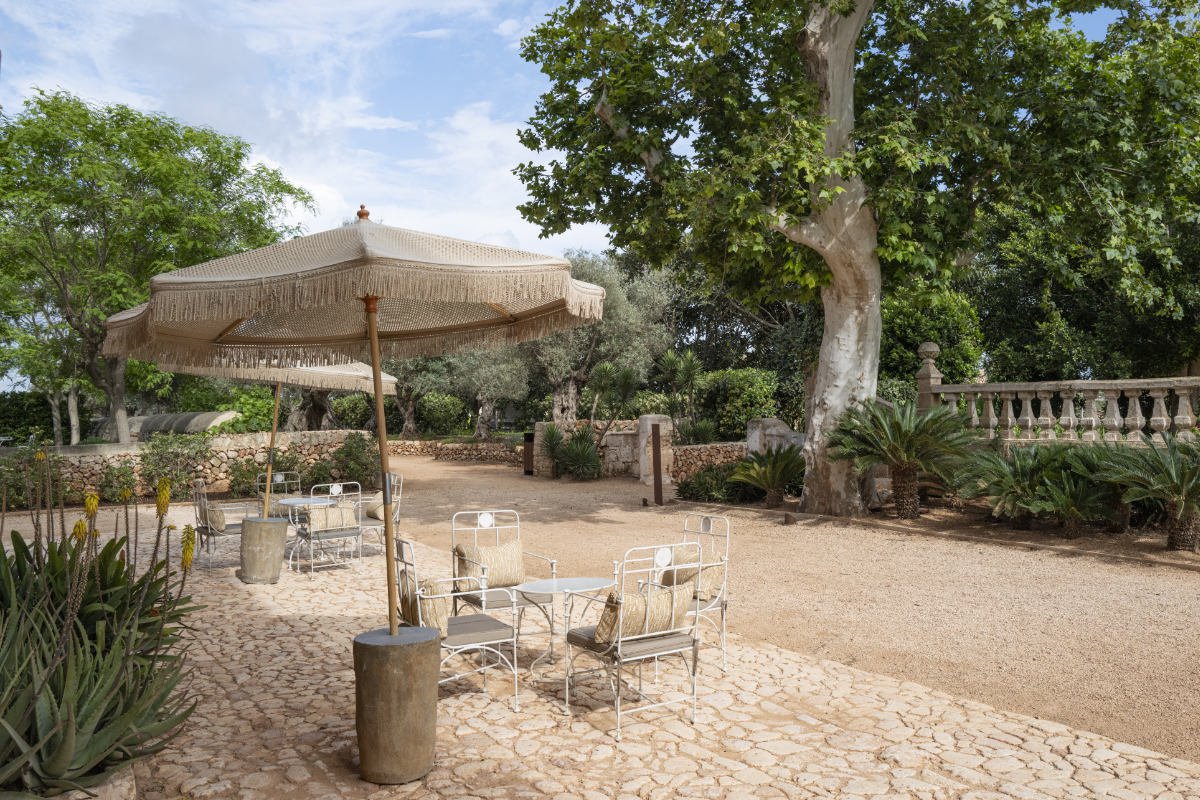
Menorca is home to several stunning country estates that have been restored into hotels. Santa Ponsa Menorca, part of Fontenille Collection, is a renovated finca with 22 rooms and suites near Alaior. The lovely, expansive grounds teem with agapanthus, pine, palm, and lemon trees. (Keep an eye out for the turtles munching wild grass underfoot.) The beautiful swimming pool a short walk from the main building has uninterrupted views of Menorca’s forested interior. The spa, hidden behind ancient limestone walls, has an underground indoor pool, hammam, and treatment rooms.
Close to the south coast, Menorca Experimental, the island’s first branded hotel, caused heads to turn when it opened a few years ago. The stunning white manor house offers a variety of accommodations, from rooms in the main building to private villas with personal pools. Experimental has a vibe, drawing a chic international crowd who return year after year. The fantastic restaurant and creative cocktail menu (a company trademark) are more reasons it’s an excellent, beautiful option. (We’re big fans of Experimental’s hotels wherever they are.)
Son Vell, the spot for true quiet luxury on the west end of the island, was opened in 2023 by Vestige, a young, family-run company that thoughtfully converts homes and palaces into hotels, primarily in Spain. This one, a restored 18th-century estate not far from Ciutadella, has 34 rooms on 180 hectares of land, is an escape into Menorca’s wild landscapes. The stunning property has everything you can imagine it would, but its sheer vastness makes you feel as if you have the place to yourself. This is the place to book for a honeymoon or a couple’s retreat, though not a family getaway. It is also the kind of place that serves tea at 5 o’clock instead of cocktails. If you want to be even more isolated, book a suite at Son Ermità and Binidufà, two neighboring hotels on 800 rural acres on the north side of Menorca, which Vestige just opened this spring.
Menorca’s most unique property is Son Blanc Farmhouse, a sustainable hotel on a regenerative farm. A complete ruin, the property was painstakingly brought back to life by a couple who are passionate about keeping Menorca wild. The 14-room hotel focuses on wellness and connecting with nature. The chef, a native of Menorca who sources all ingredients from the property’s garden, has made the restaurant a destination in its own right, with a hyper-seasonal set menu that changes daily. At breakfast, the showstopper is a self-serve industrial juicer next to baskets of the farm’s produce. Juicing on demand, a genius amenity that stopped me in my tracks. In addition to hosting weekly community dinners, Son Blanc also has an excellent rotating roster of residents who entertain guests with workshops themed around wellness and creativity. The owners’ sister property, Es Bec d’Aguila, is available for private weekly rentals. These are both magical.
Where to Swim
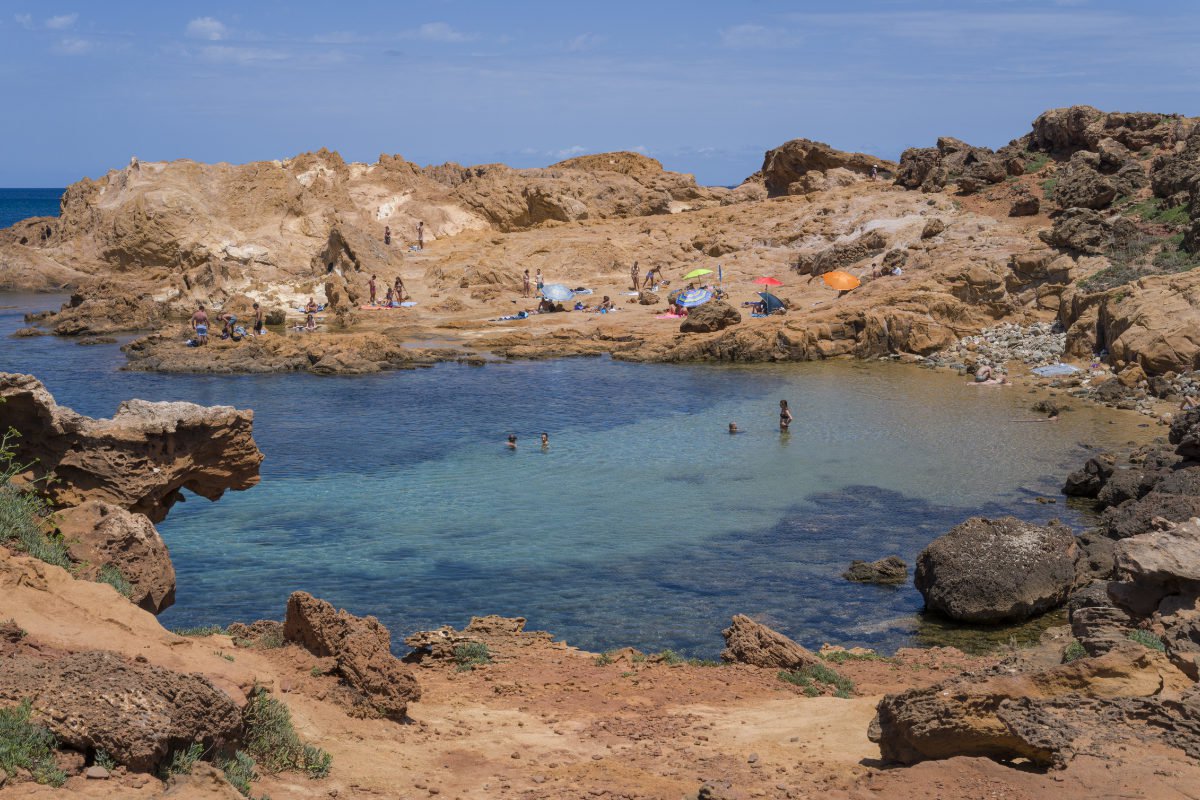
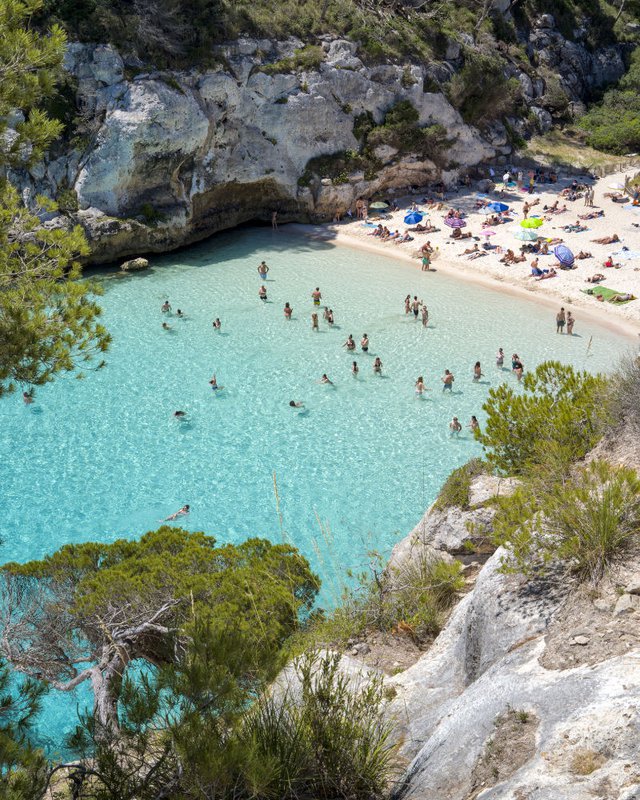
In summer, everyone comes to Menorca for the sun and the sea, and beaches are plentiful. In high summer (July and August), car parks for popular beaches fill quickly, so either get there early or arrive by foot, taxi, or bike. Choosing where to swim begins with figuring out the direction of the wind (if only every day started this way!) and then deciding whether you want sand or a rocky cove.
Cala Pregonda on the north coast has red sand and natural beauty. There are no services, and it is a hike from the car park to the beach, but this means it is rarely crowded.
Playa Binisafuller and Playa Binibèquer Nou are favorite, family-friendly, sandy coves in the southeast.
Cala Macarelleta is a stunning, white-sand cove in the southwest.
The best places to swim from the rocks are Cala Alcaufar, Cala Es Canutells, Cala Morell, and Cala ‘n Brut, which has great cliff jumping and insanely blue water.
Fathom Favorites for Food, Wine, Fashion, Fun
The best seasons to visit Menorca are spring and fall. My favorite months are May and September.
Fathom Favorites in Mahón
- Encant, Galería Cayón, and Enso for art.
- Atelier Nanai Studio, Hetra, Can Sab, and La Cereria for the best in local fashion.
- Oysters Menorca for caviar, champagne, and oysters.
- Pigalle for bread and pastries.
- Ay Mi Madre for authentic tortilla.
- Restaurant Ses Forquilles for a sophisticated dinner.
Fathom Favorites in Ciutadella
- Etesian for art.
- Deliri for gelato (also in Mahón).
- Catedral Café for espresso.
- Bar Imperi for cocktails.
- Espacio 5 and Villa Soleil for the best in resort wear.
- Ulisses for fresh seafood and biodynamic wine.
- Pez Limón for inventive local tapas.
- Nonna Bazaar for a farm-to-table vibe with a DJ scene.
Sporty Pursuits
Horse enthusiasts should reach out to Menorca a Cavall, an experienced outfit that leads group and private rides along the south coast. For animal lovers in general, Menorca Donkey Rescue just outside of Alaior loves to have visitors stop in and feed their brood.
Mountain bikers wishing to explore the Camí de Cavalls should be prepared to meet fences, rock walls, and other impediments, but that is what makes it fun. Renting a bike is easy at Bike Menorca on the edge of Mahón. They have an excellent selection for all types of riders.
Son Bou Scuba Menorca is a great outfit with very experienced dive instructors.
Architecture and history enthusiasts should visit Lithica Pedreres de s’Hostal outside Ciutadella, the non-profit foundation with gardens, labyrinths, and sculptures in the quarry that was the source of the limestone used to build the old city.
A Final Thought
Ever since my first trip to Menorca, I have wanted to write about it. However, the same enthusiasm makes me want to keep it a secret. As I write this, I am counting down the days to my return to the island. There will be similar routines (eating, drinking, swimming, snoozing, repeat), and there will be new adventures (scuba, mountain biking, hiking). We will discover new trails and dusty country roads, encounter a few horses and a friendly donkey or two. With each turn, discovery awaits. I cannot wait to slow down. To breathe. To smell. To be quiet and listen to the wind. My hope is that everything that makes this island so special will remain as it is, and this quiet slice of the Mediterranean will just go on as it has for centuries.