
Helping Isn’t About Saving. It’s About Showing Up in Solidarity
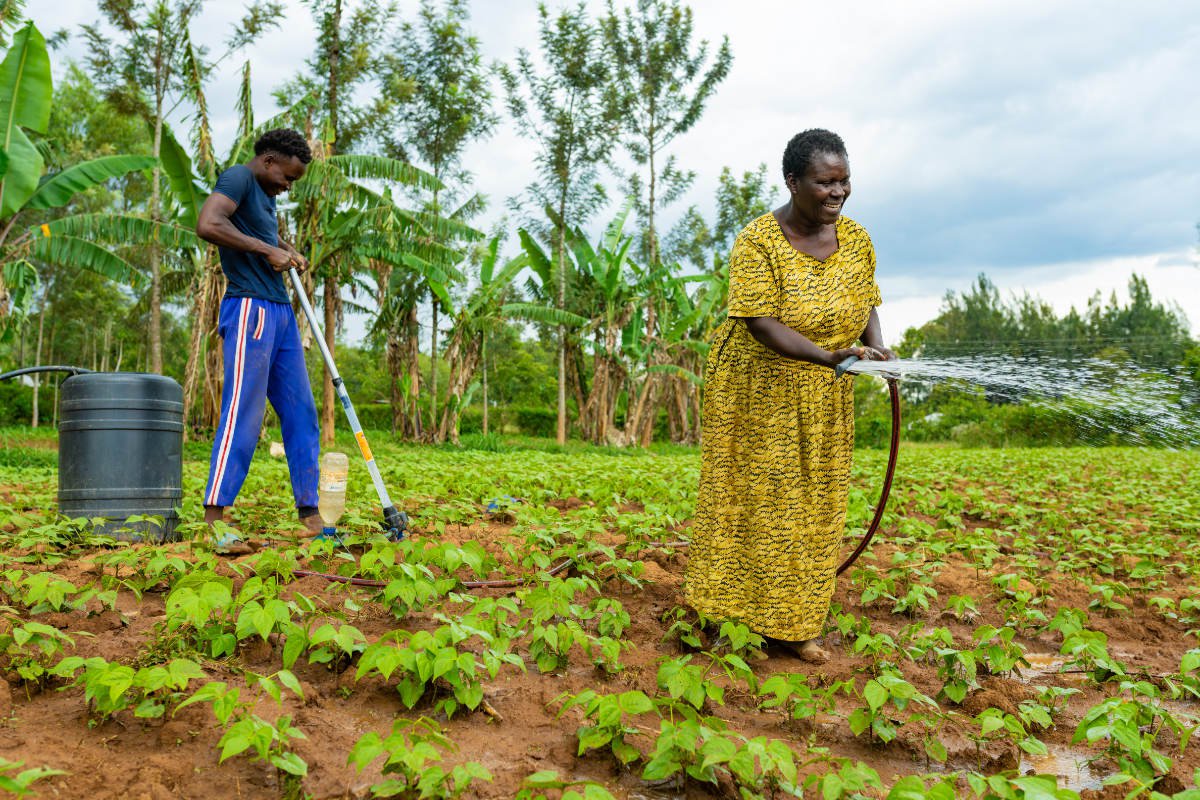 Grace, at right, transformed her farm with a low-cost pump provided through The Adventure Project. Photo by Serrah Galos / courtesy of The Adventure Project.
Many people say they want to make the world a better place. Becky Straw is actually doing it. The Adventure Project, the non-profit she co-founded, aims to help end extreme poverty by giving people and communities in Ghana, Kenya, Tanzania, Malawi, Togo, and Uganda meaningful work around four critical issues: climate, hunger, health, and water. TAP's solutions may seem simple, but they have massive impact. Take climate: According to their data, three billion people cook over open fires, and the resulting toxic smoke leads to respiratory illnesses that kill up to four million people annually. TAP's answer is to provide clean cookstoves — which reduce black carbon emissions by 50-90 percent — either directly to families or by funding a woman-led stove production factory in Kenya. Water is an issue Straw knows especially well, having previously worked as program director for the non-profit Charity: water and consulted on UNICEF's Division of Water, Sanitation, and Hygiene. Access to clean water is critical, and there are currently 50,000 broken wells in Africa. Their solution is to train women to create and run clean water kiosks for their communities. We wanted to know more about Straw's good work.
Tell us about your nonprofit.
Our philosophy is simple but powerful: Good jobs are what people need most. Handouts help, but dignified work transforms lives. When people have steady, meaningful employment, they can support their families, uplift their communities, and build sustainable futures.
That’s why The Adventure Project partners with local organizations creating jobs across Africa. These are jobs that don’t just provide income, but create ripple effects of change. Health workers providing prenatal care. Farmers feeding communities. Mechanics restoring water to villages.
Every job we help create is a step toward a world where generosity fuels opportunity — not just aid.
What inspired you to start this?
In many ways, travel did. I was working in the water sector, managing local organizations working to bring clean water to millions of people. But wells kept breaking because there were no spare parts, tools, or skilled people to fix them. The irony was that I would visit a community with a broken well, and someone would ask me if I was hiring.
I realized that real support isn’t about pity, it’s about partnership. My co-founder and I wanted to move beyond short-term charity and build something rooted in dignity, where solutions are led locally and powered by opportunity.
Who benefits from your work?
People living in extreme poverty in Africa — those trying to survive on less than $2 a day. Mothers, farmers, community health workers, and entrepreneurs in places too often overlooked.
But also our donors. We believe giving should feel like joining a movement, not just writing a check. We’re building a community where generosity meets dignity and both sides grow.
Did you have any personal connections to the places you work?
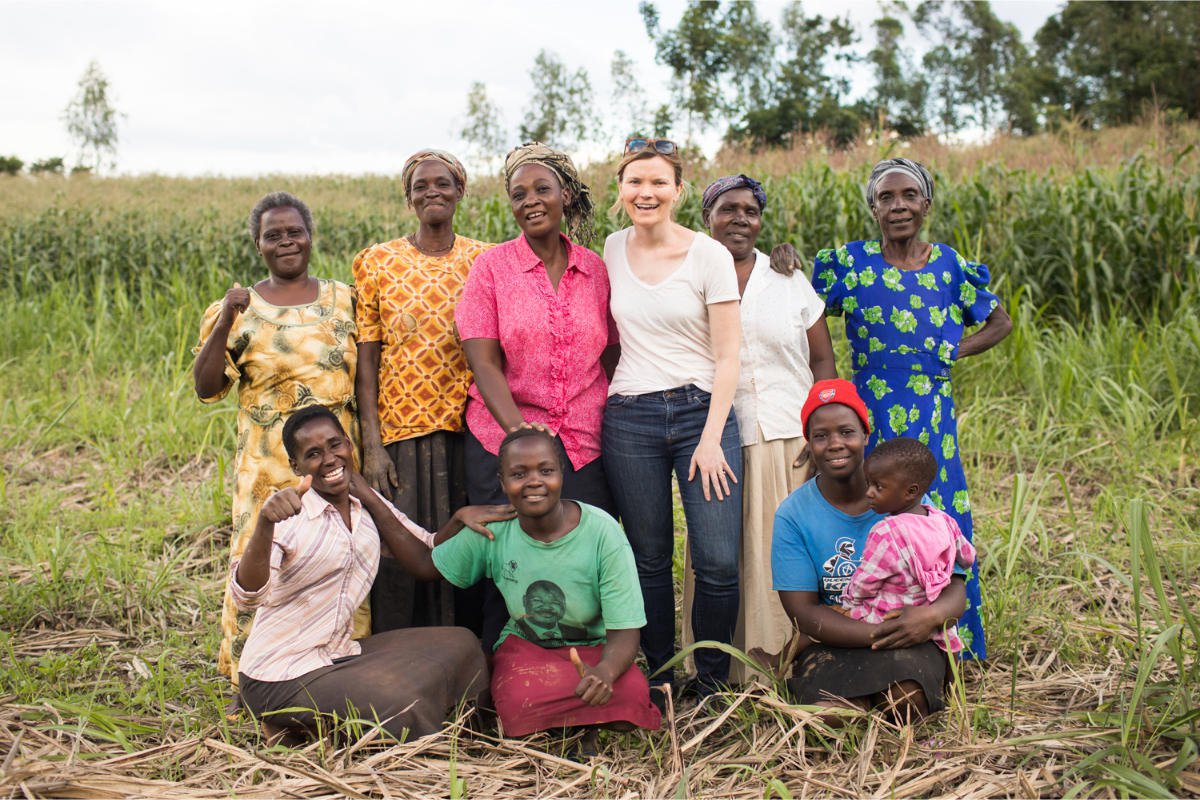
Absolutely. Many of our earliest partnerships began after visiting communities in Sub-Saharan Africa that deeply moved me. Those conversations became the blueprint for how we work today — with local partners, side by side.
What’s challenging about your work?
Two things: complexity on the ground and assumptions in people’s minds.
In the field, we’re constantly navigating infrastructure gaps, political shifts, and cultural nuance. Back home, the bigger hurdle is shifting how people think about charity — from quick fixes to long-term solutions. From saving to investing. That mindset shift is critical.
Helping isn’t about saving — it’s about showing up in solidarity.
How often do you visit the sites?
I used to spend a third of the year in Africa. Now, as a mom of two young kids, I aim to go once or twice a year. It’s still one of my favorite parts of the job. I come back with stories, perspective, and renewed purpose. Thankfully, our team is there more often now, ensuring our partners always have support.
Your favorite things to do and see when you visit your project sites?
1. Sitting in someone’s home and hearing how their life has changed. And meeting their kids, who are now in school and thriving. That never gets old.
2. Listening to how one job in a community sparks change for others, like the mother who told me how a Community Health Worker next door saved her life during childbirth.
3. Strategizing with our local partners and talking about their dreams. That fuels everything we do.
Has this work changed your view of charity?
Completely. I don’t see charity as “giving to those in need” anymore. I see it as investing in people with potential. Helping isn’t about saving — it’s about showing up in solidarity. Co-creating solutions. Leading with dignity, not dependency.
What’s your advice for entrepreneurs who want to build in global giving?
Ask what’s needed — not what you want to give.
Build with local leaders at the table. They are the experts.
Where do you want to be in five years?
Creating tens of thousands of jobs across dozens of countries. Not through handouts, but through systems that work — and last. We want to be the go-to model for how generosity can scale sustainably, with dignity and results.
How can readers get involved?
We have an incredible community of people who share our values of giving with dignity. If you are someone who shares our values, I would be honored if you would consider joining our Collective as a monthly member. Each month, you fuel a local organization creating good jobs. You can learn more at The Adventure Project.